Understanding Hanfstecklinge: Basics for New Growers
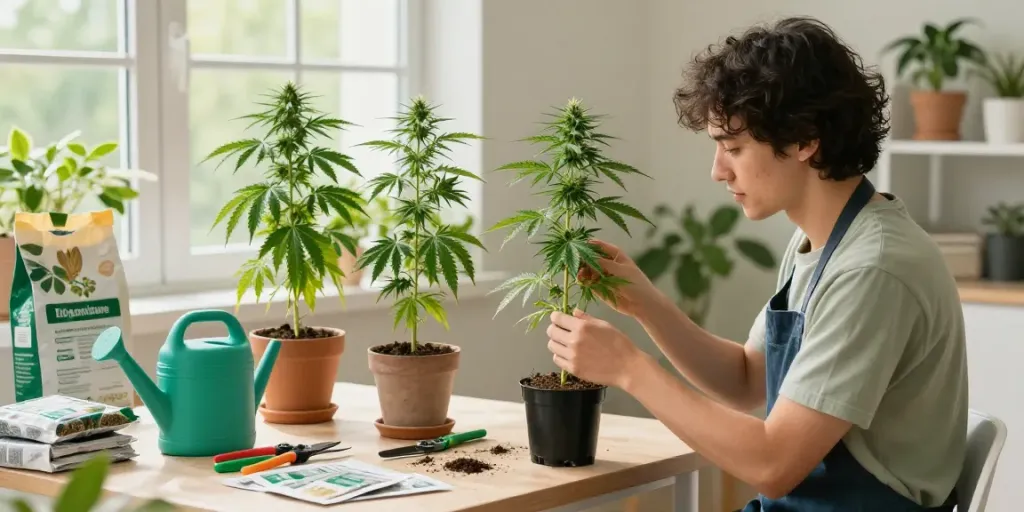
For those new to cultivation, understanding hanfstecklinge is essential for achieving a bountiful harvest. Hanfstecklinge, or hemp cuttings, provide a straightforward entry point for aspiring growers to start their cannabis journey. These cuttings are cloned from a mother plant, ensuring that each cutting retains the desired genetic traits and vigor of the original plant. This method allows for reliable and efficient cultivation, making it easier for novices to enjoy the rewards of growing cannabis.
What are Hanfstecklinge?
Hanfstecklinge are essentially young plants that have been propagated from a healthy mother plant. The primary goal of using cuttings is to replicate the genetic characteristics of the parent plant, ensuring consistency in growth, flavor, and yield. When you purchase hanfstecklinge, you are investing in a plant that has been nurtured from a proven genetic lineage, giving you a head start over traditional seed planting.
Benefits of Growing Hanfstecklinge
- Uniformity: Each cutting is a genetic replica of the mother plant, leading to consistent growth patterns and harvest quality.
- Time Efficiency: Starting from cuttings shortens the growth cycle, allowing you to cultivate and harvest sooner than from seed.
- Easier Management: With clones, growers can better manage their plants, as they typically grow at the same rate.
- Higher Success Rate: Cuttings have a higher success rate in rooting compared to seeds germinating, which can sometimes fail.
Legal Considerations for Growing Hanfstecklinge
Understanding the legal landscape is crucial for growers. As of April 1, 2024, under the Cannabis Act (CanG), private cultivation of cannabis for personal use has become legal in certain jurisdictions. Each grower must ensure compliance with local regulations, especially regarding the purchase and cultivation of hanfstecklinge.
Choosing the Right Varieties of Hanfstecklinge
When selecting your hanfstecklinge, it’s important to consider the variety that best suits your growing environment and personal preferences. Different strains have unique characteristics, which can significantly affect growth behavior, medicinal properties, and flavor profiles.
Popular Hanfstecklinge Varieties for Beginners
- Black Cherry Punch: Known for its sweet berry flavor and balanced effects, this strain is great for relaxation.
- Gorilla Zkittlez: A hybrid strain boasting a combination of fruity flavors and a potent high.
- Tropicana Cherry: Offers vibrant citrus notes, ideal for those who appreciate an uplifting experience.
Indica vs. Sativa: Choosing the Best for Your Needs
Understanding the differences between Indica and Sativa strains is crucial for tailoring your cultivation to your needs. Indica strains tend to be more relaxing, making them suitable for evening use, while Sativa strains are generally energizing and can be enjoyed during the day. Hybrid strains combine characteristics of both, providing a versatile option.
Using a Variety Selector Tool for Optimal Growth
To navigate through the various options, utilizing a variety selector tool can enhance your decision-making process. These tools typically allow you to filter strains based on growth preferences, flowering time, and effects, ensuring you choose the most suitable hanfstecklinge for your cultivation goals.
Best Practices for Cultivating Hanfstecklinge
Successful cultivation goes beyond the initial purchase of hanfstecklinge; it includes understanding the best practices for nurturing your plants throughout their lifecycle.
Optimal Growing Conditions for Hanfstecklinge
Creating an ideal environment for your hanfstecklinge is vital for robust growth. These young plants thrive in conditions that offer:
- Consistent Temperature: Ideal temperatures range between 68°F to 77°F (20°C to 25°C).
- Humidity Control: Maintaining humidity levels around 60-70% is important, especially during the rooting phase.
- Proper Lighting: Using grow lights with appropriate spectrum can significantly affect growth rates and overall health.
Watering and Nutrient Management
Proper watering techniques and nutrient management are critical for healthy growth. Over-watering can lead to root rot, while under-watering can stress the plants. It's recommended to check moisture levels regularly and adjust nutrient feeding schedules based on the growth stage of your hanfstecklinge.
Common Mistakes When Growing Hanfstecklinge
- Ignoring pH levels: Keeping soil pH balanced is essential for nutrient absorption.
- Over-fertilization: Too much fertilizer can damage young plants, leading to nutrient burn.
- Neglecting pests: Regular inspections can help catch infestations early on.
Advanced Techniques for Successful Cultivation
For those looking to elevate their cultivation game, advanced techniques can yield even greater rewards.
Pruning and Training Hanfstecklinge for Better Yields
Methods such as topping and low-stress training (LST) can promote bushier plants and enhance light exposure, ultimately improving yields. Pruning excess foliage can also enhance air circulation around your plants.
Integrating Technology in Hanfstecklinge Growing
Utilizing technology in cultivation can streamline processes. Smart sensors can monitor factors like soil moisture, light levels, and temperature, providing real-time data to help optimize growing conditions.
Environmental Control Systems for Healthy Plants
Setting up environmental controls, such as ventilation systems and automated lights, can ensure that your plants receive consistent care without daily manual adjustments.
Future Trends in Hanfstecklinge Cultivation
The cultivation landscape is continuously evolving, with trends that promise to shape how we grow hanfstecklinge in the coming years.
Emerging Cultivation Techniques in 2026
Innovative techniques, such as aeroponics and aquaponics, are gaining traction. These methods offer sustainable alternatives to traditional soil growing and can lead to faster growth rates and higher yields.
Impact of Legislation Changes on Hanfstecklinge Growing
As legislation surrounding cannabis continues to evolve, growers must stay informed about changes in their local laws, which may affect cultivation practices and product availability.
Market Trends for Hanfstecklinge in the Coming Years
With the increasing acceptance of cannabis products, the demand for high-quality hanfstecklinge is expected to rise. Growers should consider consumer preferences for organic and sustainably grown options.
How to Care for Your Hanfstecklinge?
Providing adequate care involves ensuring proper watering, nutrient balance, and pest control. Regular monitoring will help ensure your plants thrive.
What is the Best Soil for Hanfstecklinge?
A well-aerated soil mix with good drainage is ideal for hanfstecklinge. Many growers prefer a blend that includes organic matter like coco coir and perlite to promote healthy root development.
Can Hanfstecklinge be Grown Indoors?
Yes, hanfstecklinge can be grown indoors successfully, given the right setup with appropriate lighting, ventilation, and temperature control. Indoor growing allows for year-round cultivation, irrespective of external weather conditions.
How to Ensure Safe Shipping of Hanfstecklinge?
Utilizing climate-controlled packaging during shipping can minimize stress on the plants. It's essential to ensure that temperature and humidity levels remain optimal during transit.
What are the Common Pests Affecting Hanfstecklinge?
Common pests include spider mites, aphids, and whiteflies. Regular inspection and the use of integrated pest management (IPM) strategies can help mitigate infestations without harmful chemicals.