Understanding Industrial Emergency Showers
In industrial environments, the importance of safety cannot be overstated. An industrielle Notdusche, or emergency shower, plays a critical role in ensuring the safety of employees working in potentially hazardous conditions. These systems are designed to provide immediate decontamination in the event of spills or exposure to harmful substances, thereby preventing serious injuries and ensuring regulatory compliance. Understanding the various aspects of industrial emergency showers, including their components, regulations, and best practices, is essential for maintaining a safe work environment.
What is an industrielle Notdusche?
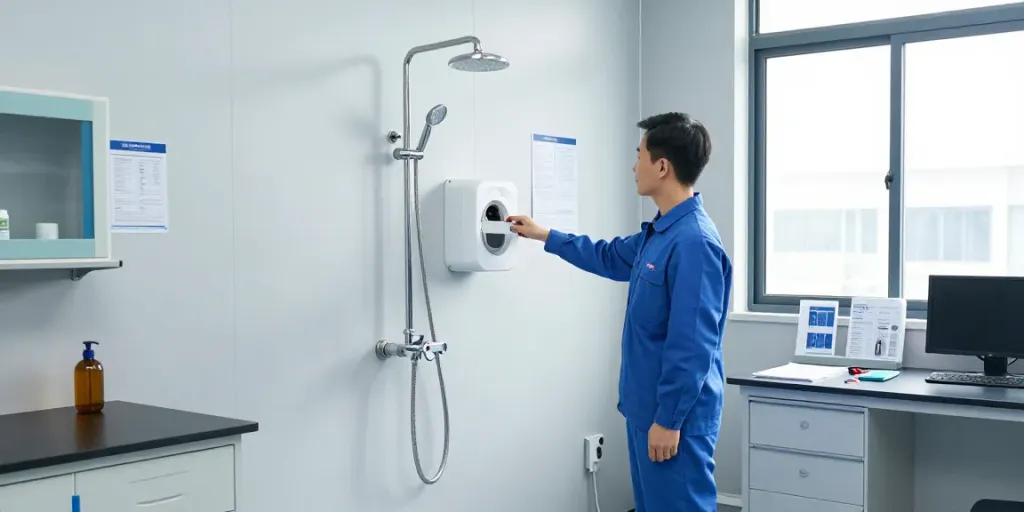
An industrielle Notdusche is a specialized shower designed for emergency situations, typically found in laboratories, chemical plants, and manufacturing facilities. These showers provide a quick and effective means of rinsing off chemicals or contaminants from the body, significantly reducing the risk of injury. The design of an emergency shower allows for hands-free operation, which is vital in severe emergency situations where individuals may not be able to operate the shower properly.
Importance of Safety Regulations in Industrial Settings
Safety regulations dictate how and where emergency showers are installed, maintained, and used. Compliance with standards like the ANSI Z358.1 in the United States or EN 15154 in Europe ensures that emergency showers provide effective safety measures. These regulations cover aspects such as installation height, water flow rate, and maintenance protocols. By adhering to these regulations, companies can mitigate risk and enhance workplace safety.
Components of Effective Emergency Showers
- Water Supply: Emergency showers should provide a continuous flow of tepid water to effectively rinse contaminants.
- Activation Mechanism: Most systems feature a pull-down or push activation to facilitate instant access during emergencies.
- Drainage System: Proper drainage prevents water accumulation, which can create slippery surfaces.
- Visibility: Emergency showers must be clearly marked and easily accessible to ensure quick response times.
Choosing the Right Emergency Shower for Your Facility
Key Considerations for Selecting an industrielle Notdusche
When selecting an emergency shower, several factors need to be considered, including the type of potential hazards present in your facility. Evaluate the types of chemicals used, the potential risks of exposure, and the specific needs of your operations. Ensure that the shower meets regulatory requirements and fits the layout of your facility.
Customizing Solutions for Unique Requirements
Each industrial setting has unique requirements for emergency fixtures. For instance, facilities that handle corrosive chemicals may require specialized materials resistant to chemical damage, whereas cold environments may necessitate heated systems to prevent water freezing. Collaborating with experts to customize your emergency shower can enhance safety and compliance.
Evaluating Safety Standards and Certifications
Before purchasing, it is crucial to verify that the emergency showers are certified by recognized standards bodies. Certifications provide assurance that the equipment meets safety and performance criteria. Look for products that comply with local regulations and international standards, as these certifications are essential for safety audits and compliance checks.
Installation Best Practices
Ideal Locations for Emergency Showers
Proper installation location is critical for the effectiveness of emergency showers. Showers should be installed in areas where chemical exposures are likely, ensuring they are within a 10-second distance from the hazard. Clear pathways to the showers must be maintained to facilitate quick evacuations.
Technical Setup and Compliance Checks
During installation, ensure that all plumbing and electrical connections comply with local codes. Regular compliance checks are necessary to confirm that the emergency showers function correctly and meet the standards set by safety regulations. Documentation of these checks should be maintained for audits and inspections.
Integrating with Existing Safety Equipment
Emergency showers should complement the facility's existing safety equipment, such as eye wash stations and first aid kits. An integrated approach to safety ensures that employees are not only protected but also have easy access to necessary resources during emergencies.
Maintenance and Compliance
Routine Inspection Procedures for Emergency Showers
Routine inspections of emergency showers are critical to ensure they operate effectively when needed. Schedule monthly checks to assess water flow, activation mechanisms, and physical condition. Testing the showers for adequate water temperature and pressure is also essential for compliance.
Common Issues and Troubleshooting Tips
Common issues may include leaks, obstructions, or malfunctioning valves. Train employees on how to identify and report these issues quickly. Establishing a clear protocol for addressing these problems can facilitate prompt repairs and maintain compliance with safety regulations.
Documentation and Reporting for Regulatory Compliance
Maintain detailed documentation of all inspections, maintenance, and repairs performed on emergency showers. This documentation serves as a record for safety audits and can help in demonstrating compliance with safety regulations. Regularly updating this documentation is crucial for effective safety management.
Future Trends in Emergency Safety Equipment
Emerging Technologies in Safety Showers
As technology advances, the design and functionality of emergency showers are evolving. Innovations such as automatic self-testing systems and integrated sensors to detect chemical leaks are becoming more common. These technologies enhance safety and ensure immediate alerts in emergencies.
Sustainable Practices in Industrial Safety Equipment
With an increasing emphasis on sustainability, manufacturers are developing eco-friendly emergency showers that reduce water waste and use recyclable materials. Implementing sustainable practices not only benefits the environment but can also lead to cost savings.
Predictions for Safety Regulations in 2026 and Beyond
The landscape of safety regulations is expected to evolve significantly by 2026, with stricter compliance requirements and increased focus on employee safety. Businesses should stay informed about emerging regulations and adapt their safety protocols accordingly to remain compliant.
What should I consider when purchasing an industrial emergency shower?
When purchasing an emergency shower, consider its compliance with safety regulations, the specific hazards present in your facility, the available space for installation, and the potential need for customization.
How often should emergency showers be inspected?
Emergency showers should be inspected at least monthly to ensure proper functioning and compliance with safety standards. Regular checks can identify issues early and prevent potential safety incidents.
What are the key differences between various types of emergency showers?
Different types of emergency showers include wall-mounted, freestanding, and portable models. The choice depends on the installation location, the specific hazards, and the required accessibility.
How can I ensure compliance with safety regulations?
Ensuring compliance involves selecting certified products, conducting routine inspections, maintaining detailed records, and staying updated on local and international safety regulations.
What are the benefits of customizing an emergency shower solution?
Customizing emergency showers allows for better alignment with the specific needs of your facility, enhancing safety and compliance. Customized solutions can address unique hazards and improve the overall safety infrastructure.